A Caretaker's Guide to Choosing Top-Tier Dementia Care Communities
Business Name: BeeHive Homes of Maple Grove
Address: 14901 Weaver Lake Rd, Maple Grove, MN 55311
Phone: (763) 310-8111
BeeHive Homes of Maple Grove
BeeHive Homes at Maple Grove is not a facility, it is a HOME where friends and family are welcome anytime! We are locally owned and operated, with a leadership team that has been serving older adults for over two decades. Our mission is to provide individualized care and attention to each of the seniors for whom we are entrusted to care. What sets us apart: care team members selected based on their passion to promote wellness, choice and safety; our dedication to know each resident on a personal level; specialized design that caters to people living with dementia. Caring for those with memory loss is ALL we do.
14901 Weaver Lake Rd, Maple Grove, MN 55311
Business Hours
Families often reach the choice to seek dementia care after a string of sleepless nights, repeated falls, medication mix-ups, or one close call that shakes everybody awake. I have walked families through this option in health center conference rooms, at kitchen area tables, and on curbs outside tour consultations when feelings ran high. A good neighborhood does more than keep a loved one safe. It maintains personhood, supports the family's endurance, and adapts as requirements develop. The challenge is telling the difference between sleek marketing and the daily reality behind the front door.
This guide distills what matters most when assessing dementia care, also called memory care, and how to discriminate between neighborhoods that talk a good video game and those that provide steady, humane care. Expect useful information, questions to ask, cautioning signs, and the trade-offs that real households navigate.
What "dementia care" suggests in practice
Dementia is not one diagnosis. Alzheimer's disease accounts for roughly 60 to 70 percent of cases, but vascular, Lewy body, frontotemporal, Parkinson's-associated, and blended dementias behave differently. A neighborhood that truly specializes in dementia care comprehends these differences and adjusts care strategies accordingly.
In practice, that looks like this: Staff who understand that someone with Lewy body dementia might have visual hallucinations and unpredictable awareness, that a person with frontotemporal dementia might be younger with language or habits modifications but intact memory, which vascular dementia frequently progresses step-by-step. Activities shift with the surface of each condition. Medication strategies show sensitivity to antipsychotics in Lewy body disease. Interaction approaches change when language centers are hit. Ask communities to describe how they change for different dementias. The specificity of their examples is telling.
Memory care, as a service line within senior care, generally implies a safe environment staffed and configured for cognitive problems. It is different from conventional assisted living, which may provide cueing and tips, however not the structure and security features required for mid to later on phases. Some continuing care retirement home house memory care within a more comprehensive school, which can be ideal for couples with different care requirements. Respite care is short-term support within these settings, frequently for a week to a month, and can double as a test drive.
The 3 things that identify life: individuals, procedure, and place
Families typically focus on decoration, and it is reasonable. Fresh paint and a restaurant look assuring. In the very first 90 days, though, the quality of people, procedure, and location will form your loved one's days more than any chandelier.
People suggests the team at the bedside. It consists of direct care staff, nurses, activity directors, dining staff, housekeeping, and leadership. Process ways how the community provides care: assessments, care planning, training, interaction, reaction to behavior, and escalation when health modifications. Place indicates the developed environment: layout, lighting, sound, outside gain access to, and security style that lowers risk without making homeowners feel infantilized.
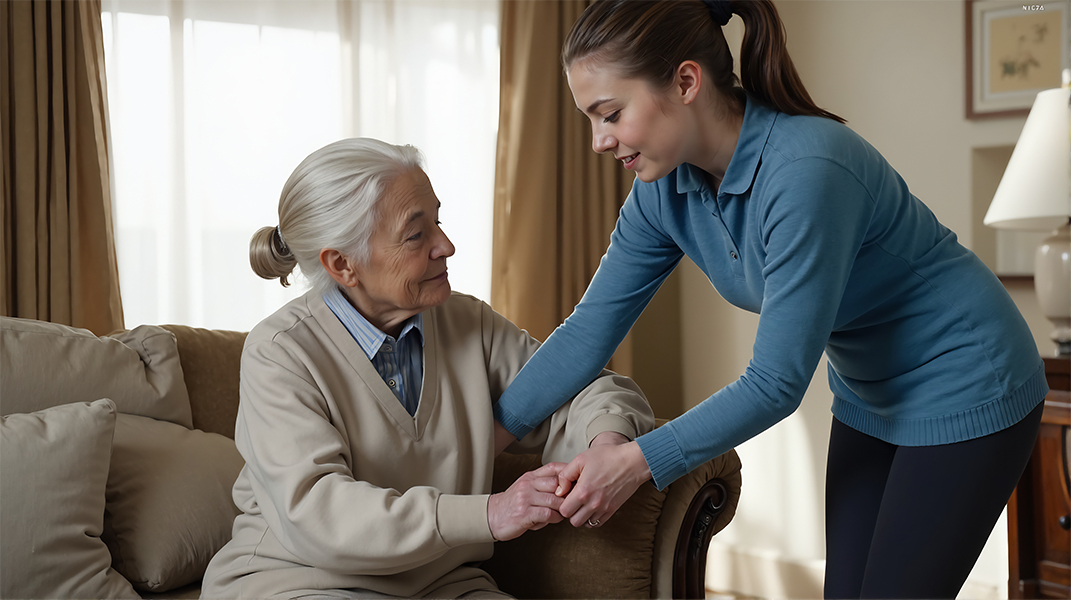
In a well-run community, these three strengthen one another. A beautifully designed space without consistent staffing will frustrate locals. Warm caregivers without clear processes will be reactive. Tight procedures can not overcome a complicated floor plan that sparks exits or agitation.
Staffing: ratios, stability, and skill
Families inquire about staff ratios, and communities often provide a state minimum or a rosy daytime number. The truth is more nuanced. Strong programs personnel more heavily during peak hours and anticipate patterns. Look beyond the headline ratio and request for the distribution by shift and area. A significant day-to-evening ratio in lots of communities is somewhere around one care partner for five to seven locals during the day, tightening to one for 6 to eight in the evening. Overnight assistance typically stretches thinner, often one to 10 or more, which can work if homeowners sleep and if mobile reaction is quick. Numbers assisted living near me BeeHive Homes of Maple Grove differ by state guidelines and acuity.
Long tenure matters more than any fixed ratio. If half the caregivers have been there under 6 months, anticipate irregular regimens and less familiarity with residents' hints. I keep a simple metric: ask three different caregivers, not supervisors, how long they have actually worked there and what keeps them. Their responses reveal the culture. Likewise request the yearly turnover percentage for direct care personnel and nurses. A figure under 35 percent is strong in this sector. If turnover tracks sharply greater, press for causes and remedies.
Skill comes from training and coaching, not just orientation modules. Evidence-based approaches like the Positive Method to Care, habilitation therapy, and music or motion therapies must appear in day-to-day practice, not just wall posters. Ask who trains brand-new hires, the number of hours go to dementia-specific skills beyond general orientation, and how often refreshers occur. Monthly or at least quarterly reinforcement, consisting of scenario-based drills for habits and de-escalation, signals commitment.
Clinical capabilities and how they intensify care
Medical requirements do not stop briefly for memory loss. Neighborhoods differ extensively in their capability to handle common situations: urinary tract infections that provide as abrupt confusion, dehydration, diabetic changes, cardiac arrest, and discomfort that appears as agitation. Facilities with part-time or full-time nurses on website are much better placed to catch early decrease. In some states, memory care runs with minimal nursing hours, depending on licensure. Confirm hours, on-call structures, and who can evaluate and act on modifications in condition.
Medication management is worthy of a careful look. Review how medications are saved, who dispenses them, and what documentation system is utilized. Electronic medication administration records decrease errors if utilized consistently. Ask how the team handles missed dosages or a resident who refuses medications. Mild re-approach and timing modifications are much better than immediate chemical restraints.
Behavioral health support separates good from terrific. A community that has relationships with geriatric psychiatrists or innovative practice companies who can consult on-site or through telehealth avoids a great deal of unneeded emergency clinic journeys. Similarly, a community that leans too rapidly on antipsychotics without nonpharmacologic interventions threats sedation and falls. What you wish to hear: stepwise plans that start with triggers, sensory convenience, and regular, then thoughtful medication trials when needed, with close monitoring and clear stop requirements if advantages do not surpass risks.
Environment that supports orientation and dignity
Many memory care units are secured, but protected must not mean stifling. I try to find smaller family clusters, preferably 12 to 18 citizens per neighborhood, connected to safe outdoor areas. Nature soothes, and regular daylight exposure helps with sleep-wake cycles. Corridors that loop back on themselves reduce dead ends and lower disappointment. Restrooms visible from the bed reduce incontinence. Visual cues like memory boxes outside spaces and contrasting colors for floors and handrails help orientation.
Noise levels deserve attention. Overhead paging, clattering carts, and shrieking televisions raise agitation. Visit throughout mealtime, when the acoustic profile is genuine. Lighting ought to prevent glare and extreme transitions. Replace patterned carpets that can look like holes to people with depth perception changes. I once saw a resident's falls drop merely due to the fact that a neighborhood swapped a dark limit strip for a lighter one.
Safety features ought to be woven into the design so they do not feel punitive. Doorways can be camouflaged with murals, or exits can lead very first to a secured garden instead of a street. Roam management systems that utilize discreet wearables are better accepted than loud alarms. The very best neighborhoods build in purposeful wayfinding so residents can walk without sensation trapped.
Routines, meaningful engagement, and the best kind of activity
Activities are not filler between meals. They are therapy when succeeded. Search for programs that follow the rhythm of the day and match cognitive and physical capabilities. Early morning often suits motion, light exercise, or strolling groups to set tone and cravings. Late early morning can hold small group work like baking, folding, or music that connects to long-lasting memory. Afternoons can be quieter: tactile stations, one-on-one visits, hand massages, or spiritual care. Evenings need to stress unwinding to avoid sundowning spikes.
Numbers alone do not inform the story. A calendar packed with 10 activities a day might merely be copy and paste. View a session. Are residents engaged, not just parked in a circle? Do staff change when someone is distressed or bored? Is language adult and considerate? A favorite moment of mine was available in a kitchen area group where residents prepared strawberries for shortcake. One gentleman who hardly ever joined anything sliced with deep focus, then told a story about picking berries with his grandmother. The activity director had picked something with strong sensory hints, integrated in success, and left room for memory.
Nutrition and dining that maintains choice
With dementia, cravings is susceptible to change. Familiarity, color contrast on plates, and finger foods can help. Good dining programs plan for smaller sized, more frequent meals when required. They change textures for safe swallowing without stripping satisfaction. Household style, where possible, improves consumption and social engagement. If you tour, ask to sample a meal. Taste it. See how personnel cue and assistance without hurrying. Take a look at hydration practices throughout the day, not just at meals. A cart with flavored waters, soups, and teas moving twice daily can decrease urinary infections and hospitalizations.
Weight patterns are unbiased. Ask how the neighborhood tracks and reacts to weight-loss. A reasonable expectation is regular monthly weights, with an alert limit like five percent loss in one month or ten percent in 6 months prompting a plan that is recorded and shown you.
Cost, agreements, and what occurs as needs rise
Financial openness sets expectations and prevents heartbreak. Rates frequently appears in two types. Some neighborhoods utilize tiered care levels, where base rent covers real estate and facilities, and care is priced in bands based on an assessment. Others utilize a point system with itemized services. Either way, ask how often reassessments take place, who triggers them, and just how much notice you get before a fee increase. Initial quotes that look low can increase steeply by month 3 if the assessment was optimistic or if the move unmasked needs that household had been covering at home.
Medication management, incontinence supplies, one-to-one support throughout habits, and transport to appointments often bring additional charges. Nail care might be restricted by regulations for diabetics and routed to a podiatrist with separate charges. Ask to see a sample regular monthly invoice with all typical add-ons so you can model best and most likely scenarios.
Also understand the move-out criteria. Some memory care settings can not manage two-person transfers, feeding tubes, or complex injury care. Others can with hospice support. A neighborhood that lays out clear borders and a prepare for end-of-life care assists you prevent late-stage dislocation. There is no pity in limitations. The problem is surprise. If your loved one has a progressive condition with recognized complications, such as Lewy body dementia with parkinsonism, ask how the team adapts when strolling decreases or swallowing weakens.
Licensing, quality signals, and what regulators do not show
Licensing requirements vary by state, and memory care may be an unique designation within assisted living or a different license. Pull the most current state study reports. Do not be alarmed by any citation. Look at patterns and reaction time. Repetitive medication errors, hot water temperature level violations, elopements, or infection control failures should have examination. Ask the administrator to stroll you through corrective actions taken. The clarity and humbleness of that discussion will tell you whether you are hearing a script or a leader who owns the work.
Quality likewise displays in the ordinary. Are materials stocked or continuously short? Do gloves and wipes sit within reach in resident spaces, or do personnel have to hunt? Are care strategies visible to those who require them, with existing choices noted, or are they concealed in binders no one opens? Does the group use a day-to-day huddle to expect who requires additional assistance based upon last night's notes?
Family councils are another barometer. A functioning council that satisfies regularly, shares minutes, and has management present but not controling the agenda correlates with more responsive programs. If there is no council, ask if the community will help form one.
Using respite care and trial stays to your advantage
Respite care, a short-term furnished stay, is not simply a break for household. It is an essential roadway test. A one to four week respite in a memory care setting can reveal how your loved one responds to regimens, dining, and the environment. Pay attention to sleep throughout respite, not just daytime smiles. If nights enhance, you have a win that predicts sustainability for caregivers. If distress spikes despite competent assistance, you have valuable info to change the plan or consider alternative settings.
Coordinate respite throughout a relatively steady duration rather than in the immediate consequences of a hospitalization. Bring familiar clothing, bed linen, and a few significant items. Provide a brief biography, consisting of work history, member of the family, pastimes, likes and dislikes, and any non-negotiables that bring comfort or trigger distress. A one-page profile with an image can alter how the team welcomes and engages your loved one on day one.
Questions that sort marketing from mastery
Use pointed, respectful concerns. Request for stories, not mottos. Experienced groups will answer with specifics rather than drift to generic reassurances.
- Tell me about a recent resident who got here with regular agitation. What non-drug methods did you attempt initially, what worked, and how did you know?
- How do you support residents with Lewy body dementia who have distressing hallucinations without overly sedating them?
- What is your day, night, and overnight staffing on this system, by role, and where do those personnel physically spend their time?
- When did you last conduct a complete evacuation or fire drill on this floor, and what did you discover and alter as a result?
- How do you include family in care planning, and what is your process for interacting changes in condition or fees?
Red flags that signal future trouble
No neighborhood is perfect, however repeating patterns predict risk. A couple of stick out in practice.
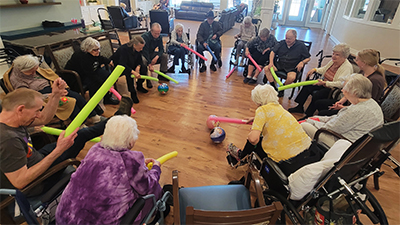
- You tour at 3 p.m. And see homeowners plunged in wheelchairs facing a tv, with one activity published on the calendar that is not happening.
- The nurse can not access the electronic medication record throughout your visit or postpones every scientific concern to a manager who is off-site.
- Doors are greatly alarmed without alternative safe exits or outside area, and personnel dissuade walking because it is "risky," even for constant walkers.
- Leadership avoids giving particular turnover data or rationalizes citations without describing corrective steps.
- Every concern about behavior refers initially to "as required" medications, with few examples of sensory, regular, or ecological adjustments.
Planning the visit: what to observe on-site
Arrive ten minutes early and wait in the lobby to view interactions. Remain in corridors. Enter the dining room during a meal and ask to see a private space and a shared space, even if you prepare to spend for private. Smell matters. Periodic odors occur. A persistent odor suggests staffing or procedure gaps. Try to find charts or discreet signs that indicate customized strategies, such as an image schedule, a soft item for relaxing, or preferred music playlists at the bedside. Check whether call lights ring for minutes without reaction or whether staff respond rapidly and calmly.
I bring a pocket test for management depth. If the executive director is off the flooring, does the nurse or med tech with confidence describe an occurrence report procedure? If the activity director is out ill, does somebody step in with a modified plan for the afternoon rather than canceling everything?
How to match neighborhood type to your situation
Couples where one partner requires memory care and the other remains independent take advantage of campuses with several levels of senior care. Daily proximity minimizes regret and preserves rituals like breakfast together, even if living spaces differ. Solo older grownups with complex medical conditions may do better in smaller sized, scientifically focused memory care units with strong nurse existence, especially if medical facility readmissions have been regular. Younger-onset dementia, frequently under age 65, can be a poor fit in really peaceful, frail populations. Look for programs that flex engagement to greater energy and include physical outlets.
Costs tie to both amenities and clinical ability. A modest setting with exceptional procedures might outshine a high-end building with thin staffing. Spend for the team, not the chandelier. Families sometimes begin in assisted living with add-on assistance to stretch dollars. This can operate in early phase, particularly with strong household involvement. Reassess when wandering emerges, when exits or financial resources stress, or when unsettled caregiving reaches a breaking point. The point is not to hold out for a legendary perfect time however to time the transfer to lessen crisis and maximize adaptation.
Partnering with hospice and palliative care without giving up
When dementia reaches advanced phases, hospice and palliative care deal layers of assistance that sit beside memory care rather than replace it. Hospice includes a nurse, home health assistant, social worker, and pastor who visit frequently. They concentrate on comfort, symptom control, and caretaker support. Families often fear that hospice activates loss of existing services, however in lots of memory care settings hospice just enhances what is there. Personnel frequently invite the additional medical eyes.
A good memory care team will raise hospice or palliative alternatives when markers like reoccurring infections, weight reduction, or deepening immobility appear. If the team never ever raises these topics, you can. Comfort and dignity do not indicate quiting. They indicate moving goals to what matters most at that stage.
Cultural fit and communication style
Technical competence is required, but culture shapes every interaction. Does the language on the flooring reward grownups as adults, even in advanced dementia? Are labels and terms of endearment utilized with permission, not as a default? Are households treated as partners or as pests? When dispute happens, due to the fact that it will, does the neighborhood welcome discussion and repair or set stiff limits? I measure culture by how personnel discuss residents when they believe no one is listening. Happiness and patience bring in tone.
Ask how the team communicates daily. Some neighborhoods use protected apps for updates and photos. Others count on weekly e-mails or regular monthly care conferences. The medium is lesser than consistency and responsiveness. Clarify how urgent problems are managed after hours. If you live far away, negotiate how typically you receive structured updates and from whom.
Practical list for the car ride home
After you tour two or three communities, emotions and information blur. The following brief checklist assists arrange impressions while they are fresh.
- Did personnel use the resident's name and treat them like an adult throughout interactions you observed, including care tasks?
- How did the dining room feel at peak time, and would you be content consuming there 3 times a day?
- Could the neighborhood with complete confidence talk about various dementias and describe specific adjustments for your loved one's profile?
- What did you learn more about turnover, training frequency, and over night protection that was concrete rather than generic?
- If costs increased by the common ranges for added care in your state, would the community still be sustainable for a minimum of 18 to 24 months?
A brief story about getting it right
Years ago, I dealt with 2 siblings looking after their mother, a retired curator with combined Alzheimer's and vascular disease. She loved birds, hated loud Televisions, and ended up being anxious around unfamiliar guys. The first community they visited was shining, with a barista and marble lobby. On the unit, the tv ran continuously, and personnel depend on music through speakers. She lasted three weeks, sleeping badly and picking at meals.
They moved her to a quieter memory care with a courtyard garden and bird feeders visible from the majority of spaces. The activity director kept a little box of notecards and a stamp since the mother used to compose letters during peaceful times. They swapped recorded music for a volunteer who played gentle guitar in the afternoons. The nurse altered night meds from 8 p.m. To 6 p.m. Due to the fact that the mother's sundowning started early. Absolutely nothing fancy, simply attunement. She remained there 2 years, got four pounds, and died on hospice with both children at her bedside, holding hands and telling stories about the library's annual banned books week. The difference was not budget plan, it was healthy and follow-through.
Final thoughts for constant decision-making
You are not simply buying a space. You are hiring a team to walk next to your household through an illness that takes and takes. Select individuals and procedures that will hold consistent when you are exhausted, when your loved one is scared, and when health turns. Use respite care as a proving ground. Visit at difficult hours, not simply tour time. Ask for specifics, then validate them with your eyes and ears. Make area for sorrow and relief, since both will arrive.
Most of all, bear in mind that good dementia care is possible. I have seen citizens who had stopped eating begin to enjoy meals again when somebody sat and sang an old hymn. I have viewed a previous mechanic relax when handed a basic toolkit and welcomed to assist repair a loose cabinet knob. The right memory care neighborhood does not erase loss, however it constructs a life where the person you enjoy can still be known.
BeeHive Homes of Maple Grove provides assisted living care
BeeHive Homes of Maple Grove provides memory care services
BeeHive Homes of Maple Grove is a memory care home for seniors
BeeHive Homes of Maple Grove provides respite care services
BeeHive Homes of Maple Grove offers 24-hour support from professional caregivers
BeeHive Homes of Maple Grove offers private bedrooms with private bathrooms
BeeHive Homes of Maple Grove provides medication monitoring and documentation
BeeHive Homes of Maple Grove serves dietitian-approved meals
BeeHive Homes of Maple Grove provides housekeeping services
BeeHive Homes of Maple Grove provides laundry services
BeeHive Homes of Maple Grove offers community dining and social engagement activities
BeeHive Homes of Maple Grove features life enrichment activities
BeeHive Homes of Maple Grove supports personal care assistance during meals and daily routines
BeeHive Homes of Maple Grove promotes frequent physical and mental exercise opportunities
BeeHive Homes of Maple Grove provides a home-like residential environment
BeeHive Homes of Maple Grove creates customized care plans as residents’ needs change
BeeHive Homes of Maple Grove assesses individual resident care needs
BeeHive Homes of Maple Grove accepts private pay and long-term care insurance
BeeHive Homes of Maple Grove assists qualified veterans with Aid and Attendance benefits
BeeHive Homes of Maple Grove encourages meaningful resident-to-staff relationships
BeeHive Homes of Maple Grove delivers compassionate, attentive senior care focused on dignity and comfort
BeeHive Homes of Maple Grove has a phone number of (763) 310-8111
BeeHive Homes of Maple Grove has an address of 14901 Weaver Lake Rd, Maple Grove, MN 55311
BeeHive Homes of Maple Grove has a website https://beehivehomes.com/locations/maple-grove/
BeeHive Homes of Maple Grove has Google Maps listing https://maps.app.goo.gl/n99VhHgdH879gqTH8
BeeHive Homes of Maple Grove has Facebook page https://www.facebook.com/BeeHiveMapleGrove
BeeHive Homes of Maple Grove won Top Memory Care Homes 2025
BeeHive Homes of Maple Grove earned Best Customer Service Award 2024
BeeHive Homes of Maple Grove placed 1st for Senior Living Memory Care Communities 2025
People Also Ask about BeeHive Homes of Maple Grove
What is the monthly room rate at BeeHive Homes of Maple Grove?
The monthly rate depends on each resident’s care needs, room selection, and personalized care plan. Before move-in, we complete an initial assessment to better understand your loved one’s health, safety, mobility, personal care, and memory care needs. From there, we provide clear pricing based on the level of support required. Our goal is to keep families informed with transparent pricing and no hidden fees.
Does BeeHive Homes of Maple Grove only offer Memory Care?
BeeHive Homes of Maple Grove offers enhanced assisted living with specialized memory care support. We are experienced in caring for seniors living with Alzheimer’s, dementia, and other forms of memory loss, while also welcoming residents who may not have a dementia diagnosis but would benefit from a secure, highly personalized care environment. Our homelike setting is especially helpful for seniors who are earlier in their dementia journey, as well as those who need extra structure, daily support, meaningful routines, and compassionate oversight. Each resident receives care tailored to their needs, helping them feel safe, supported, and truly at home.
Can residents stay at BeeHive Homes through the end of life?
In many cases, yes. Our goal is to help residents remain in a familiar, comforting environment for as long as we can safely meet their needs. There may be exceptions if a resident requires 24-hour skilled nursing services or has needs that cannot be safely supported in our memory care setting. When care needs change, our team works closely with families, physicians, hospice providers, and other care professionals to help make the next step as smooth and compassionate as possible.
Do you have nurses on staff?
Yes. BeeHive Homes of Maple Grove has a team of Registered Nurses who provide care oversight, assessments, care planning, and coordination with other healthcare professionals. The typical RN schedule is Monday through Friday from 7:00 AM to 6:00 PM and weekends from 9:00 AM to 5:30 PM, with a Registered Nurse on call after hours. This helps families feel confident that their loved one’s changing memory care needs are being monitored with attention and compassion.
What are the visiting hours at BeeHive Homes of Maple Grove?
Family and friends are welcome to visit anytime. Because routine is especially important for residents with memory loss, we encourage visitors to avoid scheduled meal times when possible: 8:00 AM, 11:30 AM, and 4:30 PM. Visits are an important part of helping residents feel connected, loved, and at home.
Are the rooms private?
Yes. Residents enjoy private memory care suites with fully accessible bathrooms. Families are encouraged to personalize the room with familiar furniture, photos, keepsakes, and comforting touches that help the space feel like their loved one’s own. BeeHive Homes of Maple Grove also offers accommodations for couples who wish to remain together, depending on availability./p>
How do I schedule a tour or learn more?
You can call BeeHive Homes of Maple Grove at 763-310-8111 to ask questions, discuss availability, or schedule a personal tour. Visiting in person is one of the best ways to experience the warmth of the home, meet the care team, and see whether BeeHive Homes is the right fit for your loved one.
What makes BeeHive Homes of Maple Grove different from larger memory care communities?
BeeHive Homes of Maple Grove offers memory care in a smaller, more personal residential setting. Residents are known by name, supported according to their individual routines, and cared for in a warm environment that feels like home. From private suites and home-cooked meals to life enrichment activities and secure spaces, our approach is centered on comfort, dignity, and meaningful connection.
Where is BeeHive Homes of Maple Grove located?
BeeHive Homes of Maple Grove is conveniently located at 14901 Weaver Lake Rd, Maple Grove, MN 55311. You can easily find directions on Google Maps or call at (763) 310-8111 Monday through Sunday 7am to 7pm.
How can I contact BeeHive Homes of Maple Grove?
You can contact BeeHive Homes of Maple Grove by phone at: (763) 310-8111, visit their website at https://beehivehomes.com/locations/maple-grove, or connect on social media via Facebook
Located near Beehive Homes of Maple Grove Cinema Grill A cozy movie house that plays first-run films while serving beer, wine & American grub seatside.